Transformers Reactivate Concept Art: What We Know, What We’ve Seen, and What It Reveals
When Splash Damage and Nexon announced Transformers Reactivate—initially framed as an online co-op action game where humanity’s remaining forces try to reclaim.
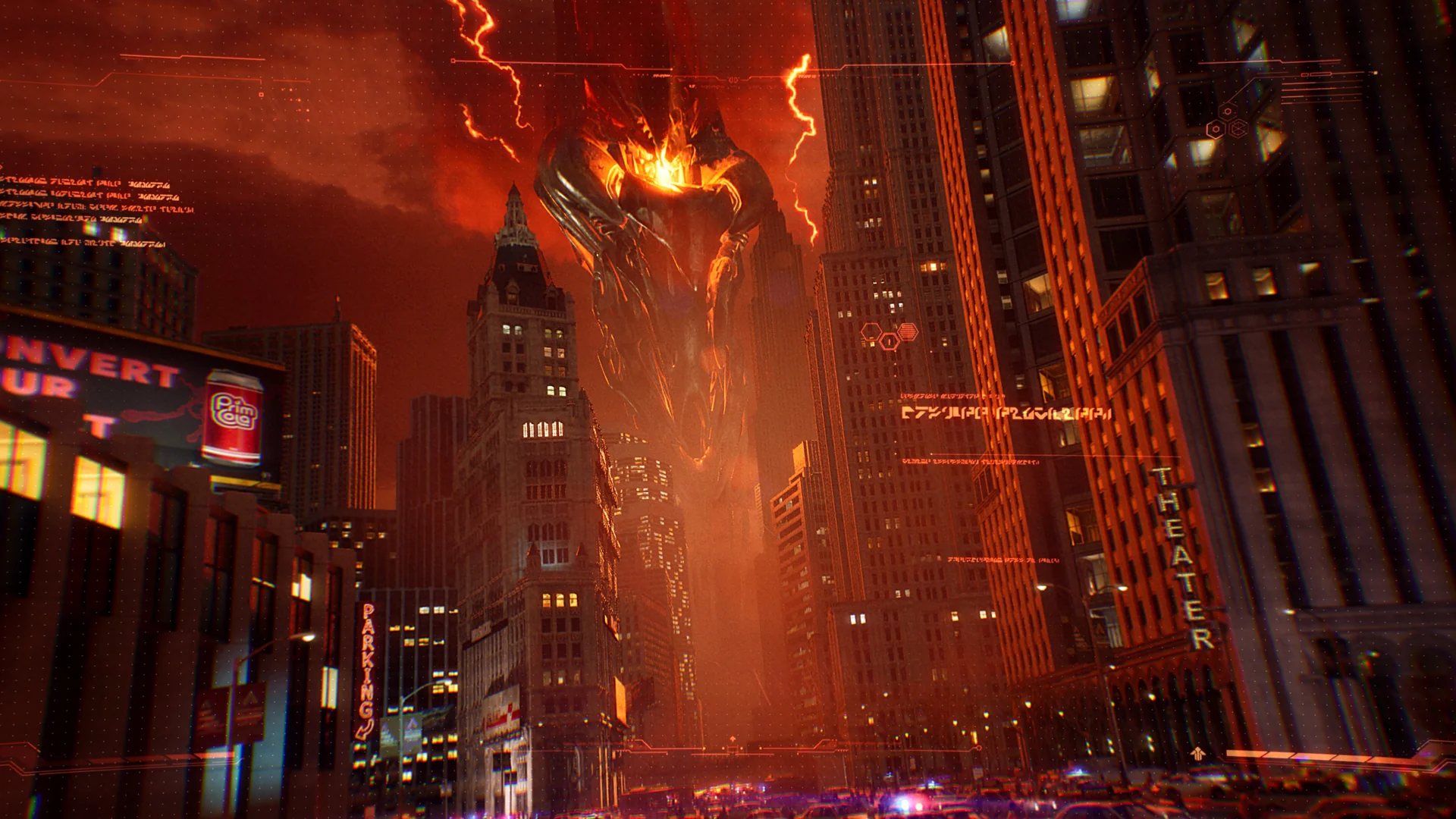
When Splash Damage and Nexon announced Transformers Reactivate—initially framed as an online co-op action game where humanity’s remaining forces try to reclaim Earth from a catastrophic new threat—the internet responded most enthusiastically to its visual identity. Long before any prolonged hands-on gameplay could be scrutinized, the early trailers, promotional renders, and leaked or officially released concept art established a distinct, grim, and weathered tone.
For fans searching for Transformers Reactivate concept art, the goal is usually to parse what these early visual assets reveal about the game’s canceled, altered, or evolving production, its unique artistic interpretation of classic Cybertronian designs, and where to find legitimate, high-resolution pieces of this visual archive. Because video game art direction often survives long after projects shift direction or face development hurdles, examining this concept art offers a rare window into the world Splash Damage originally set out to build.
The Distinct Visual Identity of Transformers Reactivate
Unlike the sleek, highly polished aesthetic of the aligned continuity or the hyper-detailed, metallic complexity of the live-action Michael Bay films, the art direction for Transformers Reactivate leaned into something grittier. The core design philosophy of the project appeared to merge organic decay with brutalist industrial machinery.
1. The Post-Apocalyptic Earth Setting
The premise centered on a world already lost to a mysterious extraterrestrial threat known as the Legion. Concept art heavily emphasized:
- Overgrown Urban Landscapes: Iconic human cities reduced to rusted steel skeletons, reclaimed by thick vegetation and choked with ash.
- Human Resistance Infrastructure: Makeshift fortifications, repurposed military hardware, and trench-like outposts that highlighted just how outmatched humanity was.
- Scale Contrast: Early illustrations frequently juxtaposed towering Cybertronian monoliths and ruined ships against the fragile, desperate architecture of human survivors, emphasizing a sense of overwhelming dread.
2. Redefining Classic Cybertronian Anatomy
The most widely discussed elements in the concept art galleries were the redesigns of core Autobots and Decepticons.
- Optimus Prime and Bumblebee: Early renders showed classic silhouettes rendered in heavy, matte-finished metals, bearing deep battle scars, exposed wiring, and mud-caked armor plates. They looked less like pristine showroom vehicles and more like veteran soldiers holding together with salvage parts.
- The Legion Threat: The enemy faction featured asymmetrical, jagged, and insectoid motifs that broke away from traditional humanoid robot designs. Concept pieces detailing these antagonists showcased shifting geometric armor and pulsing energy cores, suggesting an enemy that was alien, swarm-like, and relentless.
Official Releases vs. Concept Art Leaks
Navigating the landscape of Transformers Reactivate imagery requires understanding the difference between officially curated marketing art and internal development leaks.
- Official Promotional Art: Released primarily during major gaming showcases (like The Game Awards) or via Splash Damage’s official channels. These assets are polished, high-resolution, and represent the targeted visual fidelity of the project at the time of their release.
- Development Leaks: Over the course of the project's turbulent development cycle—marked by studio restructuring, changes in leadership, and shifts in publisher priorities—various character models, environmental paintovers, and early blocking sketches surfaced on artstation profiles of former developers and gaming forums.
When reviewing leaked concept art, treat specific UI layouts, unannounced character rosters, or specific gameplay mechanic hints embedded in the background as unverified or outdated. Concept art often depicts ideas that never survived the transition into pre-rendering or engine implementation.
Why Concept Art Matters for This Project
In the absence of a stable, long-running live service or a definitive launch release, the concept art for Transformers Reactivate functions almost as a standalone art book for fans of the franchise. It captures a specific mood that many felt was missing from modern Transformers media: a genuine sense of high-stakes peril where the heroes are battered, the world is broken, and victory is far from guaranteed.
The art style successfully bridged the gap between nostalgic character recognition (allowing fans to instantly identify Optimus, Bumblebee, or Soundwave) and a modern, mature tonal shift that appealed to older demographics.
How to Find and Verify Legitimate Concept Art
If you are hunting for clean, high-resolution pieces of Transformers Reactivate concept art for reference, wallpaper, or design study, exercise caution regarding copyright and digital fabrication (such as AI-generated fan art that often mimics the game's style).
- Check Artist Portfolios: Many professional concept artists and 3D modelers who worked on the project at Splash Damage eventually publish their contributions to platforms like ArtStation or personal portfolios once public NDA (Non-Disclosure Agreement) restrictions lift. Searching the names of credited studio leads alongside the project title is often the most reliable method for finding original, unedited source files.
- Rely on Archived Media Outlets: Established gaming journalism sites and media databases usually maintain galleries of officially distributed press kits. These kits contain uncompressed image files straight from the publisher, free of social media compression artifacts.
- Cross-Reference Visuals: If an image features character proportions or UI elements that do not match the established tone of the official teaser trailers, verify its origin through community-run archival wikis or Reddit communities dedicated to Transformers game preservation.
As the status of Transformers Reactivate remains subject to corporate shifts at Nexon and Splash Damage, these concept art pieces may ultimately remain the most complete and evocative legacy the project leaves behind—a haunting glimpse of an Earth where the Autobots fell, and the survivors had to rebuild from the scrap heap.