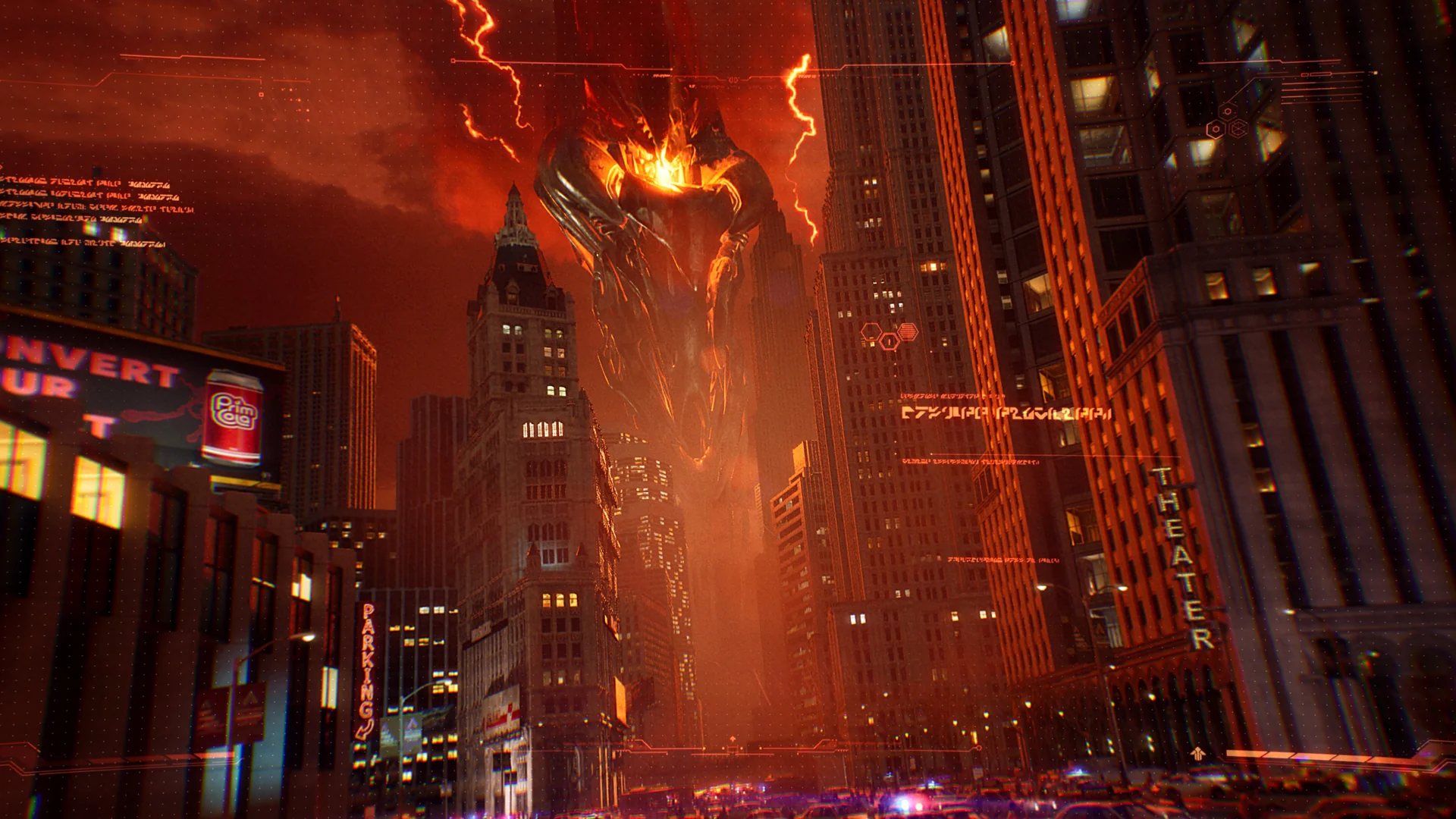
Transformers Reactivate Leaked Gameplay: What We Know, What We Don't, and How to Verify
The internet loves a good leak, and few titles have generated as much breathless speculation and community digging as Transformers Reactivate.
The internet loves a good leak, and few titles have generated as much breathless speculation and community digging as Transformers Reactivate. Originally announced as Transformers: Universe in past iterations and later rebranded, Splash Damage's upcoming cooperative action game has experienced a notoriously turbulent development cycle. Because official updates from the developer and publisher have been sporadic at best, the community relies heavily on datamines, early build footage, and rumors shared across social media platforms.
If you have been searching for "Transformers Reactivate leaked gameplay," you are likely trying to piece together whether the game is still happening, what it actually looks like in action, and how much weight to give to the footage circulating online. Here is a breakdown of the current landscape surrounding Transformers Reactivate leaks, how to evaluate what you see, and realistic ways to stay informed without falling for outdated or falsified media.
The Journey of Transformers Reactivate
To understand why leaks are so heavily scrutinized, it helps to understand the game’s context. Transformers Reactivate was officially reintroduced at The Game Awards, promising a 1-to-4-player online cooperative action game featuring iconic Autobots and Decepticons fighting a new threat. Splash Damage, known for titles like Gears Tactics and Brink, took the helm.
However, following the initial cinematic trailer and a brief window for beta sign-ups, communications slowed significantly. Reports surfaced regarding studio restructuring, changes in leadership, and shifts in publisher priorities. In the vacuum left by official silence, leaked gameplay and internal build descriptions began to surface on platforms like YouTube, Reddit, and X (formerly Twitter).
What the Leaked Gameplay Typically Shows
When players encounter footage labeled as Transformers Reactivate leaked gameplay, it usually falls into a few distinct categories:
1. Pre-Alpha Internal Builds
The most common type of leak consists of short, low-resolution clips showing early development builds. These often feature:
- Placeholder UI Elements: Menus that look unfinished, using standard engine fonts or generic icons.
- Rough Animations: Movement, transforming sequences, and combat transitions that lack the polish of a finished commercial release.
- Debug Cameras: Footage shot from free-roam angles rather than standard third-person gameplay perspectives, often displaying developer coordinate grids or frame-rate counters.
2. Combat Mechanics and Character Models
Leaked videos frequently highlight combat loops focusing on third-person shooting and melee combinations. Viewers usually get a glimpse of characters transforming on the fly to navigate environments or escape damage. However, because these builds are often years old or derived from early testing phases, features seen in the leaks do not guarantee inclusion in any potential final release.
3. Concept Art and Render Tests
Beyond video footage, concept art leaks have occasionally made the rounds, showcasing gritty, battle-scarred redesigns of classic characters. While visually striking, these assets are often pulled from the portfolios of former developers or outsourced art studios rather than current builds of the game.
Separating Real Leaks from Fabricated Content
The excitement surrounding the franchise makes it a prime target for misinformation. When evaluating any piece of media claiming to be Transformers Reactivate leaked gameplay, keep the following checks in mind:
- Check the Source: Is the video coming from a known, reputable dataminer or a brand-new account with a history of reposting stolen or AI-generated content?
- Look for Asset Reuse: Some "leaks" turn out to be fan projects built in Unreal Engine using modified assets from older games like Transformers: Fall of Cybertron or War for Cybertron.
- Analyze the UI and HUD: Modern leaks of canceled or delayed games sometimes recycle HUD elements from other Splash Damage titles or generic Unreal Engine marketplace templates.
- Cross-Reference Community Archives: Dedicated community forums and fan wikis often track verified leaks versus known hoaxes. Checking community consensus can save you from believing a fake trailer.
How to Verify Official Status and Future Updates
Relying entirely on leaks can lead to disappointment or misinformation, especially given how fluid game development can be. If you want to verify the current status of Transformers Reactivate or look for official media, use these reliable methods:
- Check Developer Channels: Monitor Splash Damage’s official website and verified social media accounts for company announcements, studio updates, or project pivots.
- Follow Publisher Announcements: Keep an eye on official communications from the intellectual property holders. If the game undergoes a major shift or cancellation, official press releases are the definitive source.
- Use Gaming Industry Trackers: Reputable gaming news outlets frequently investigate rumors and reach out to developers for comment. When a leak is legitimate, major outlets usually provide context regarding when the footage was captured and whether it represents a current or abandoned build.
Managing Expectations
It is completely natural to feel curious about unreleased projects, especially when beloved franchises spend years in development limbo. However, treating leaked gameplay as an unpolished work in progress—or in some cases, recognizing that the project may have evolved drastically or stalled altogether—helps manage expectations. Until official channels provide a clear roadmap, treat all leaked footage with cautious skepticism and verify updates directly through primary developer sources whenever possible.